Advanced llms.txt: Beyond the Basics for Enterprise Websites
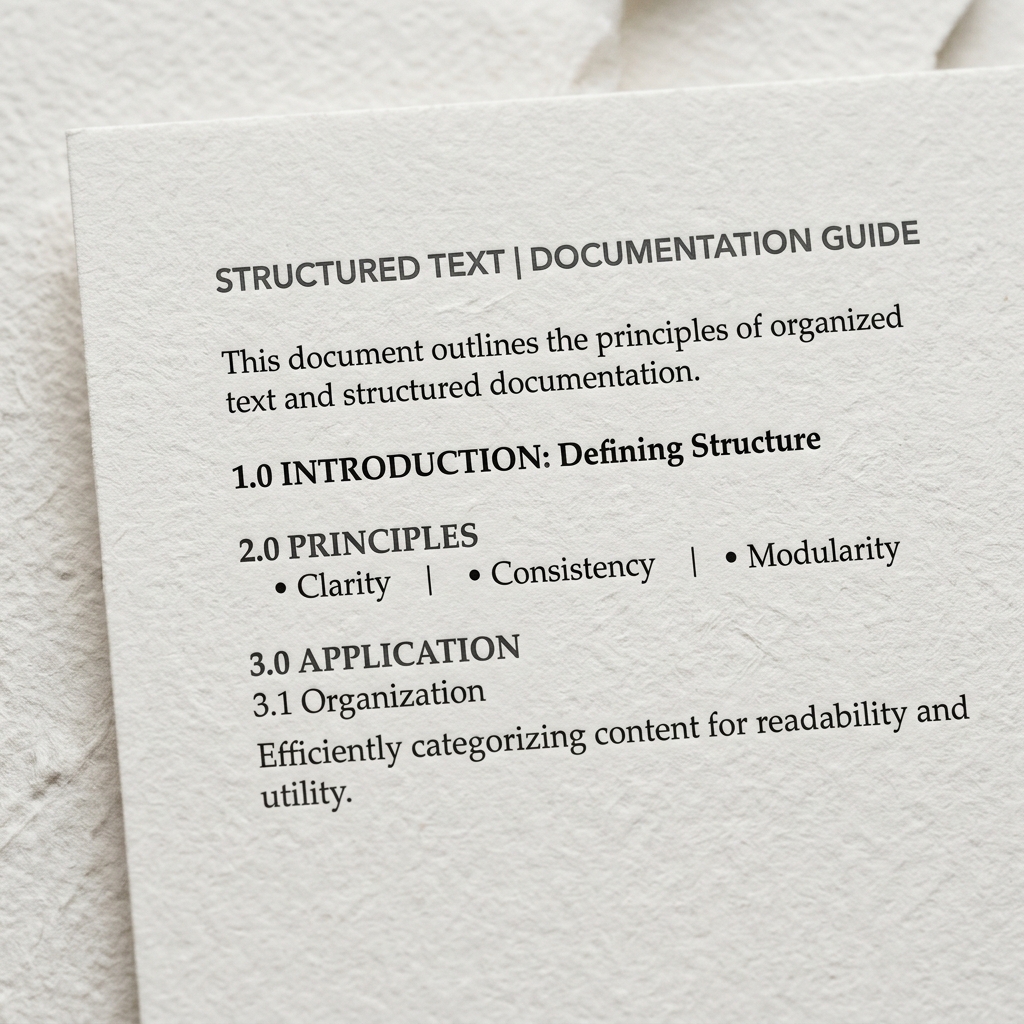
Enterprise llms.txt: Scaling AI Accessibility
While a basic llms.txt file is a great start for small sites, enterprise-level organizations require a more sophisticated approach. With thousands of pages and complex service hierarchies, a single plain-text file can quickly become a bottleneck for AI crawlers.
The Hierarchical llms.txt Model
For large domains, the llms.txt file should act as a "Router." Instead of containing all information, it should provide a structured index that points to specialized sub-files for different departments or product lines.
Example Structure:
- Root /llms.txt: Executive summary and links to category-specific files.
- /services/llms.txt: Deep technical data on service offerings.
- /docs/llms.txt: High-density documentation gateway.
Token Optimization for Large Contexts
AI crawlers have "context windows"—a limit on how much text they can process at once. An enterprise llms.txt must prioritize information density, using lean Markdown and avoiding any presentational language. Every word must serve a semantic purpose.
Security and Compliance in AI Ingestion
Enterprise LSO also involves managing what the AI shouldn't see. Using llms.txt in conjunction with robots.txt allows you to guide models toward your authoritative public data while ensuring sensitive or non-canonical information remains outside the model's training set.
Conclusion
For the enterprise, LSO is about managing information at scale. A well-structured llms.txt ecosystem is the key to ensuring your organization's complexity is a strength, not a weakness, in the eyes of the world's most advanced AI models.
Related articles



Ready to optimize your AI visibility?
Get your free AI audit score and see how ChatGPT, Claude, and Perplexity currently see your business.
Scan your website free